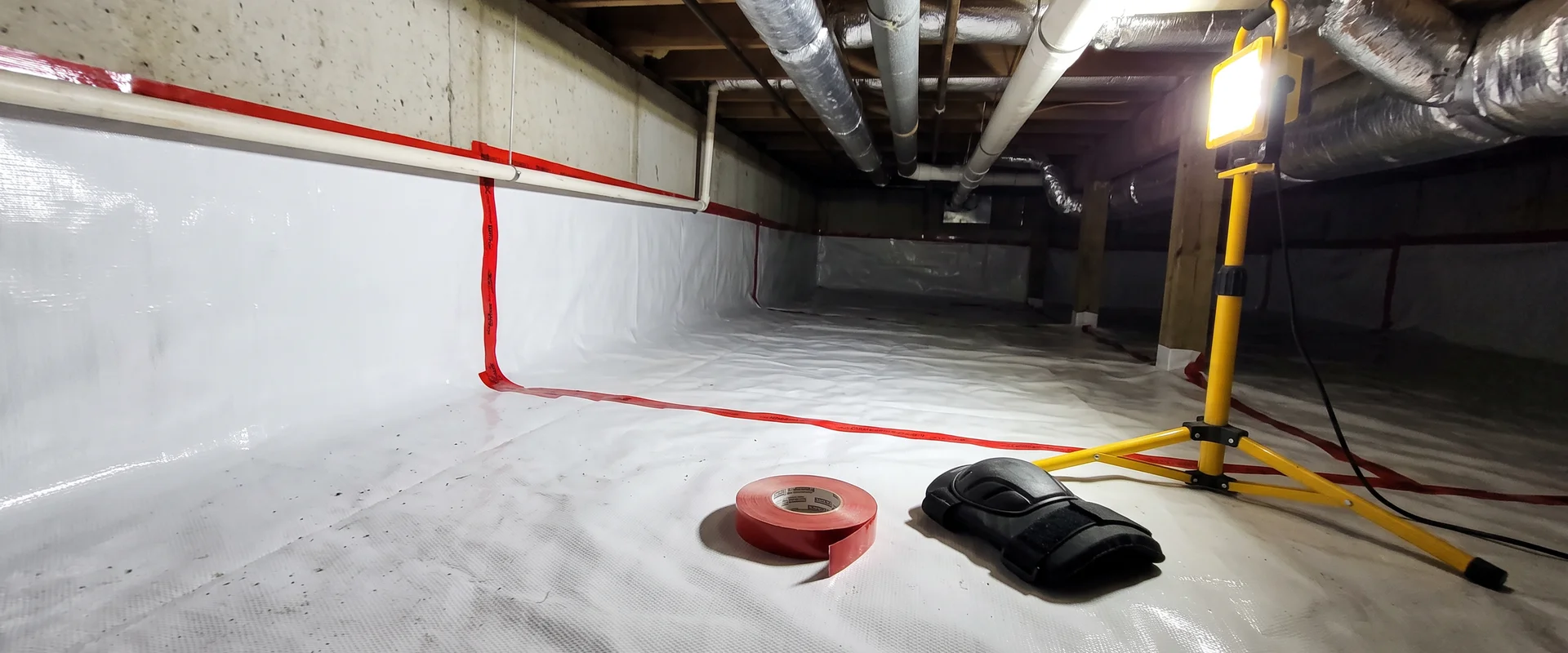
Encapsulated crawl space with a bright white taped vapor barrier running up the foundation walls
verified 26,450+ Completed

Dry, Sealed Crawl Spaces for Healthier Atlanta Homes

CrawlSeal encapsulation, dehumidification, and structural crawl space repair.

31+
Years in Georgia
4.8
Google rating
Free
In-home inspection
Transferable
Life-of-structure warranty
star 4.8 Google rating, thousands of reviews
workspace_premium Life-of-Structure Transferable Warranty
schedule Free In-Home Inspection
task_alt 26,450+ crawl spaces repaired

Have you ever noticed a strange, musty smell lingering on your main floor during a humid Georgia summer?

We see this exact problem every single day across Greater Atlanta. That odor is usually a clear sign of trouble brewing right beneath your feet.

Dealing with the source directly changes everything for the health and comfort of a home.

Our team at Basement Waterproofing Atlanta is dedicated to providing high-quality foundation repair and waterproofing services that protect your structural integrity. This guide will walk you through the exact steps for effective Crawl Space Encapsulation & Repair.

You will be surprised at how straightforward the process can be. Grab a cup of coffee, and let’s go through it together.

What Is Crawl Space Encapsulation?

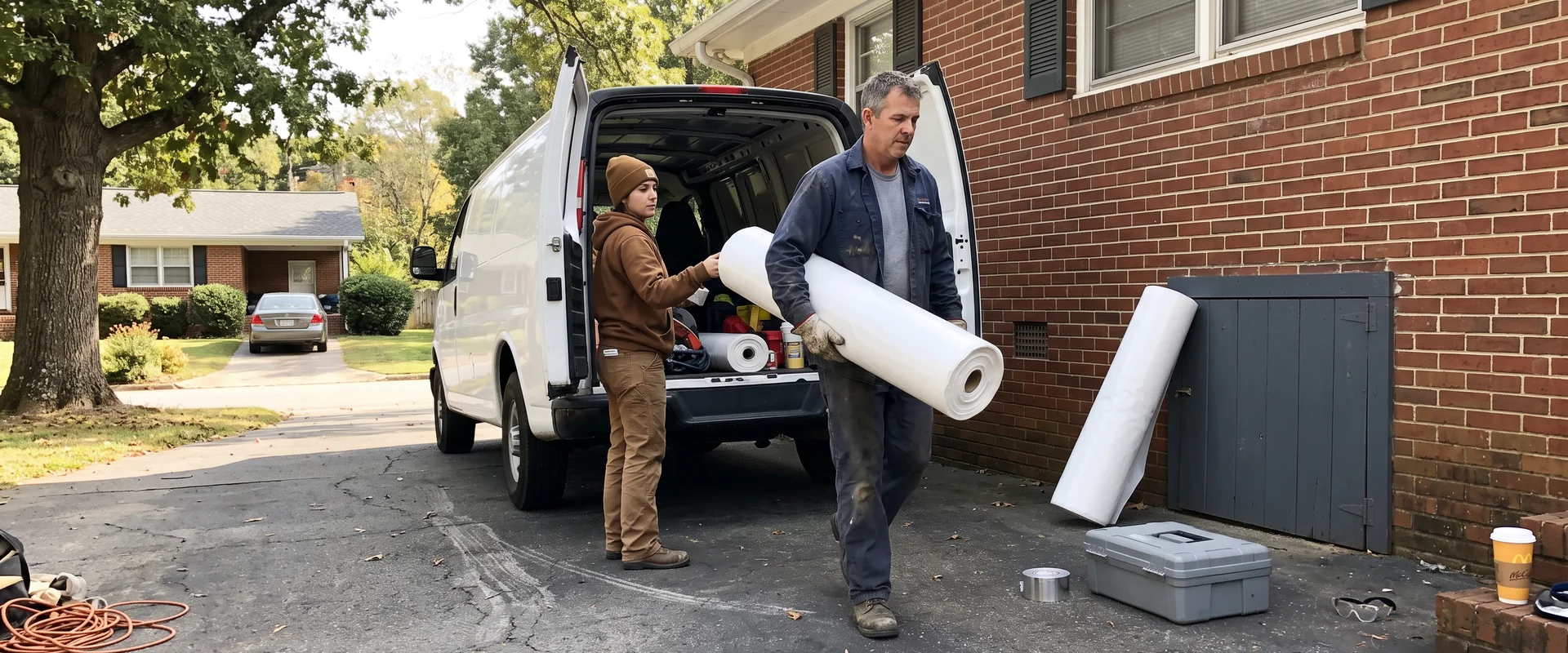
Encapsulation seals the crawl space off from the ground and the outside air, then controls the humidity of what is left. In practice, that means laying a 20-mil reinforced polyethylene liner across the soil and up the foundation walls. The process also includes seam tape at every joint, sealed vents, and a dehumidifier sized to the volume of the space.

We rely on high-capacity units like the AprilAire E070 dehumidifier for many of these projects. This specific model pulls up to 70 pints of moisture per day and connects to an app so you can monitor the air from your phone. That smart feature prevents you from constantly crawling under the house to check the humidity levels.

Pro Tip: Managing your crawl space humidity from your smartphone is the easiest way to ensure your encapsulation investment is actively working.

Our climate in Georgia makes this level of protection absolutely necessary. Metro Atlanta averages over 50 inches of rain every year, and a vented crawl space just breathes in all that warm, saturated air. The EPA notes that indoor relative humidity above 60% creates conditions where mold can easily take hold.

We often find that unsealed wood sitting in these damp conditions softens and begins to rot very quickly. Insulation absorbs the excess moisture, sags, and eventually falls to the ground. None of this is visible from your living room, which is why the deterioration usually runs for years before anyone investigates.

Here is a quick look at why traditional vented crawl spaces fail in our region:

  • The Stack Effect: Up to 50% of the air you breathe on your main floor originates in the crawl space.
  • Condensation: Warm summer air meets cooler foundation surfaces and immediately turns into water droplets.
  • Pest Attraction: Dark, damp environments create the perfect nesting grounds for insects and rodents.
  • Energy Loss: Your HVAC system works much harder to cool humid air pulling up from below.

We know that encapsulation breaks both the moisture and air cycles at once. The thick plastic liner stops soil moisture from evaporating upward. Sealed vents stop humid outside air from entering the space.

Our dehumidifier installation holds the relative humidity at a safe level where mold cannot establish. What was once a damp, unusable void becomes a dry, sealed part of your building envelope.

Common Problems We Solve

Every home tells a different story, but the symptoms of a failing foundation are incredibly consistent. You might notice a few warning signs before you ever actually look under the house. The issues below are the most frequent complaints that lead homeowners to call for help.

We compiled a list of these common warning signs to help you catch problems early. Catching the damage now saves you significant money and stress later.

Musty odor on the main floor

The smell rarely originates where you notice it. Damp crawl space air travels upward through the floor system and gets distributed by your HVAC unit. Sealing and drying the source is the only proven method that removes it entirely.

We always remind clients that up to half of their indoor air comes from the ground level due to the stack effect. You are quite literally breathing whatever is growing in the dirt below. Stopping that upward draft immediately freshens the air inside your living room.

Sagging or bouncy floors

Moisture-softened joists and a sagging girder create that springy feel underfoot. Southern yellow pine is a very common framing material in Atlanta, and it loses significant structural strength when its moisture content surpasses 20%. Sistering the damaged floor joists restores proper support.

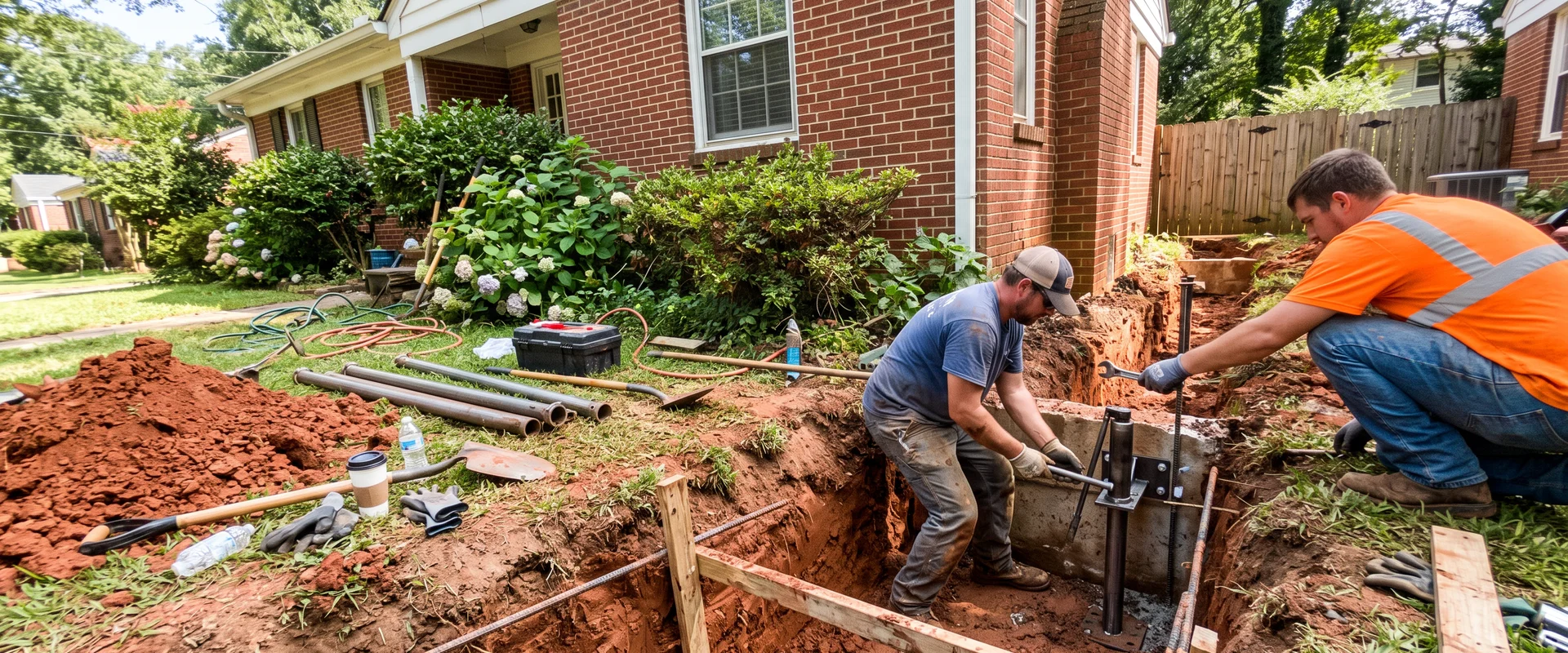
We often install adjustable steel jack posts on new concrete footings to lift and stabilize the floor. This structural fix ensures your furniture stops rattling every time someone walks across the room. The combination of dry air and solid steel completely eliminates that terrifying bounce.

Mold and wood rot on framing

Once relative humidity under a house stays high, mold has everything it needs to spread. Georgia summer humidity frequently hovers around 70%, which is well above the danger zone for fungal growth. We carefully document what is present and repair the affected structure.

The specialists on our team then remove the damp conditions so the fungus does not return. A clean, encapsulated space deprives mold of the moisture it requires to survive. You get total peace of mind knowing the structural framing is safe and dry.

Standing water after storms

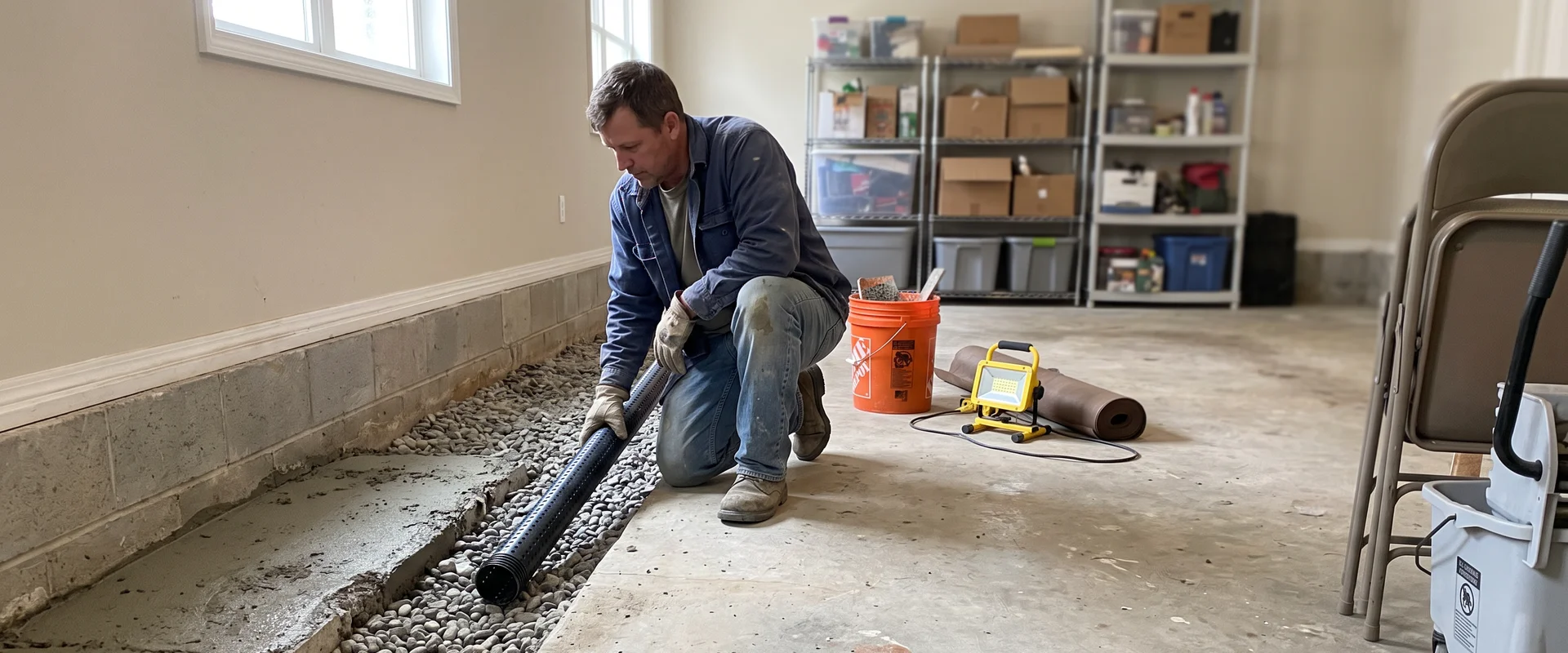
Where water actually intrudes rather than merely condensing, the system needs an active drainage solution. Heavy spring storms in North Georgia easily flood low-lying foundations. The setup usually requires a heavy-duty crawl space sump pump, like a reliable Zoeller M53, in addition to the vapor liner.

We rely on your inspector to identify which type of moisture problem you are dealing with. A proper perimeter trench directs any intruding groundwater straight into the sump pump basin. This simple mechanism pumps the water far away from your house before it can pool.

What the Inspection Actually Tells You

Most homeowners have never seen their own crawl space, so the free inspection often doubles as a first look. Your inspector takes relative humidity readings and probes the joists and sill plates for soft wood. They will check your ductwork, evaluate the insulation condition, and note any standing water or grading problems near the access door.

We photograph absolutely everything during this initial visit. You get all those photos delivered directly to you. Encapsulation is a major investment you cannot see from inside your home, so the documentation is what makes the project real and transparent.

Industry Insight: Seeing high-resolution photos of your own crawl space is the single most important step in understanding the true condition of your foundation.

Our 2026 local market data shows that professional encapsulation in the Metro Atlanta area typically averages around $5,500. Smaller jobs might start closer to $5,000, while extensive structural repairs and premium materials can push the total up to $12,000. Seeing the photographic evidence helps you understand exactly what that investment covers.

From there, we scope the liner coverage, the dehumidifier capacity, and any structural repairs needed before sealing.

Inspection Focus AreaWhat We Look ForWhy It Matters For Your Home
Wood FramingMoisture content above 20%, rot, and sagging.Ensures floors remain stable and do not collapse.
Ground SoilStanding water, damp dirt, and pest droppings.Dictates if a sump pump and drainage trench are required.
Current Air QualityRelative humidity levels pushing past 60%.High humidity guarantees mold growth and higher AC bills.
Existing VentsOpen louvers letting in humid summer air.Sealing these stops the stack effect from pulling in moisture.

If your home also has a basement, basement waterproofing and encapsulation frequently pair together. The same saturated red clay drives moisture into both areas. Settlement might have already begun to move your framing out of alignment.

We ensure foundation repair is scoped alongside the encapsulation process. The structural fix and the moisture fix happen once, instead of paying for two separate projects. You get a fully protected home that is ready to withstand any storm. Contact our team today to schedule your free inspection, and let us help you reclaim your home from the ground up with professional Crawl Space Encapsulation & Repair.
How Much Does Crawl Space Cost in Atlanta?

Encapsulation is priced by square footage, clearance, and how much structural repair the joists and girders need. You get a written breakdown at your free in-home inspection, and financing is available.

Vapor Barrier & Vent Sealing

For dry-but-humid crawl spaces with sound framing.

Base scope
  • check 20-mil reinforced CrawlSeal liner on the floor
  • check Sealed crawl space vents
  • check Taped seams and secured perimeter
Get Your Exact Price

Full Encapsulation

Most common

The standard system for Georgia's humid climate.

Mid scope
  • check CrawlSeal liner across floor and up the walls
  • check Sealed vents and access door
  • check High-capacity crawl space dehumidifier
  • check Transferable warranty
Get Your Exact Price

Encapsulation + Structural Repair

When moisture has already reached the framing.

Full scope
  • check Everything in full encapsulation
  • check Sistered joists and girder repair
  • check Adjustable steel jack posts on new footings
  • check Crawl space sump pump where water intrudes
Get Your Exact Price

What Changes the Price

  • arrow_right Square footage of the crawl space and available clearance
  • arrow_right Condition of joists, girders, and subfloor (rot, sistering, jack posts)
  • arrow_right Number of vents to seal and whether a sump pump is needed
  • arrow_right Dehumidifier capacity for the volume of the space
  • arrow_right Debris removal and old insulation teardown

Every quote is project-based and set after a free in-home inspection. Financing is available if you would rather spread the cost.

Why Choose Us for Crawl Space

workspace_premium

26,450+ crawl spaces

Our South Atlanta branch alone has repaired more than 26,450 crawl spaces. Volume like that means fewer surprises in tight, awkward spaces.

verified_user

20-mil reinforced liner

CrawlSeal uses heavy 20-mil reinforced polyethylene, not the thin sheeting that tears the first time someone crawls across it.

schedule

Humidity you can verify

We size dehumidification to the volume of the space and set a target relative humidity, so the result is measurable rather than assumed.

handyman

Structure included

If joists have already softened or the girder has sagged, sealing over it wastes money. We repair the framing first.

How Our Crawl Space Work Goes

01search

Free inspection

An inspector goes under the house, takes relative humidity readings, probes joists for rot, and photographs what you would rather not crawl through yourself.

02assignment

Scope and plan

You get square footage, liner spec, dehumidifier sizing, structural repairs needed, and project-based pricing in writing.

03engineering

Clear and repair

Crews remove debris and failed insulation, repair or sister joists, set jack posts on proper footings, and prepare the ground.

04verified_user

Seal and control

CrawlSeal liner goes down and up the walls with taped seams, vents are sealed, and the dehumidifier is set to hold humidity in range.

Our Crawl Space Work

See the Difference

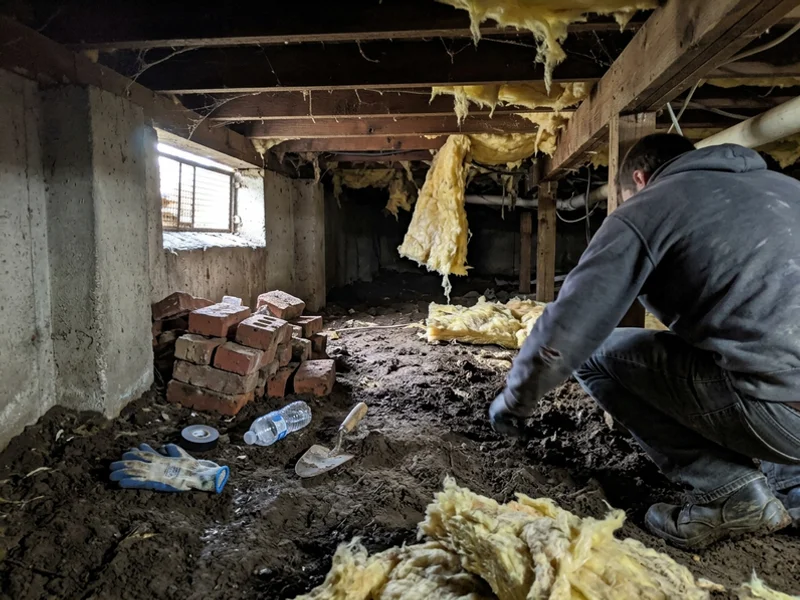
Before crawl space Before
Before crawl space
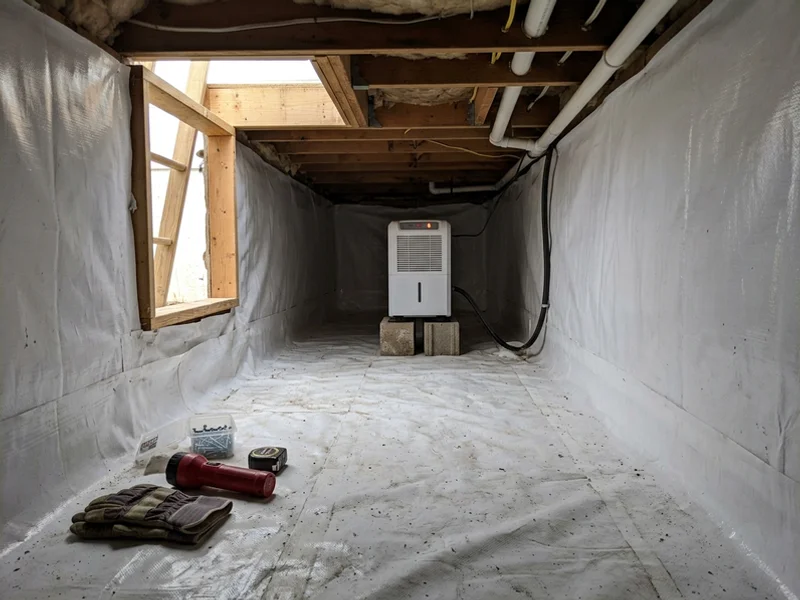
After crawl space After
After crawl space

Crawl Space on a metro Atlanta home

How Basement Waterproofing Atlanta Compares

Feature Typical provider Basement Waterproofing Atlanta
Liner thickness 6-mil plastic sheeting 20-mil reinforced CrawlSeal
Vents Left open per old code Sealed, with conditioned humidity
Humidity control Not included Dehumidifier sized to the space
Structural repair Separate contractor Joists, girders, and jacks in one scope
Warranty Materials only Transferable life-of-structure

What Customers Say About Our Crawl Space Work

star star star star star 4.8 from 1,200+ reviews
starstarstarstarstar

"The crawl space under our Roswell home was musty and humid. After the CrawlSeal encapsulation and a dehumidifier, the whole house smells cleaner and the floors don't bounce anymore."

James P. — Roswell

verified Verified homeowner review

starstarstarstarstar

"They showed me photos of what was actually under my house, including rot I had no idea about. Fixed the joists first, then sealed it. No pressure at any point."

Latoya B. — East Point

verified Verified homeowner review

starstarstarstarstar

"Our upstairs allergy problems eased noticeably after the encapsulation. I did not expect a crawl space to matter that much."

Greg M. — Tucker

verified Verified homeowner review

Crawl Space FAQs

Should a crawl space be vented or sealed in Georgia?

expand_more

Sealed. Venting was standard for decades on the theory that airflow dries a crawl space out. In a humid climate like Georgia's, the opposite happens: warm, moisture-laden summer air enters through the vents, hits cooler surfaces under the house, and condenses on joists, ductwork, and the ground. That condensation is what feeds mold sporulation and wood rot. An encapsulated crawl space with a vapor barrier and dehumidifier holds humidity at a level where none of that can start.

What exactly is CrawlSeal?

expand_more

CrawlSeal is a 20-mil reinforced polyethylene vapor barrier installed across the crawl space floor and up the foundation walls, with seams sealed using seam tape and the perimeter mechanically fastened. The reinforcement layer is what separates it from the thin sheeting that gets laid down and torn within a year. It creates a continuous barrier between soil moisture and the air under your house.

Will encapsulation fix the smell in my house?

expand_more

In most cases, yes, and the reason is the stack effect. Air under your house does not stay there. As warm air rises and escapes upstairs, replacement air is drawn up from the crawl space, which means a meaningful share of the air you breathe on the main floor started underneath. Seal and dry the crawl space and that supply air changes character quickly.

Do I need a dehumidifier if the liner is installed?

expand_more

Usually. The liner stops soil moisture from evaporating into the space, which is the largest source, but air still enters through the access door, rim joist gaps, and any remaining leakage. A properly sized crawl space dehumidifier holds relative humidity in the target range year-round and gives you a number to check rather than a guess.

Can you fix bouncy floors while you are under there?

expand_more

Yes, and it is common. Long-term moisture softens joists and lets girders sag, which is what produces the springy feel. We sister weakened joists with new lumber, repair or replace failed girders, and install adjustable steel jack posts on properly poured footings to bring the floor system back to a supported plane.

How long does encapsulation take?

expand_more

A typical residential crawl space takes one to three days. Structural repairs, heavy debris removal, or very low clearance can extend that. Your written scope includes the expected schedule, and crews work from the exterior access whenever possible so household disruption stays minimal.

What about mold that is already there?

expand_more

Our inspector documents what is present and treats surface growth as part of the scope where appropriate. The critical part is removing the conditions that allowed it: without moisture, mold cannot re-establish. If remediation beyond our scope is warranted, we say so plainly rather than sealing over a problem.

Does encapsulation help energy bills?

expand_more

Often, though we would not sell it on that alone. Dry air is cheaper to condition than damp air, and sealing the crawl space removes a major source of unconditioned humid air being pulled into the home. Homeowners typically notice comfort improvements upstairs before they notice a change on the bill.

Still have questions?

A certified inspector can look at your home and answer them in person. The inspection is free and there is no obligation.

Book a Free Inspection

Ready to Book Crawl Space?

Free in-home inspection, transparent project-based pricing, and a transferable warranty on crawl space encapsulation & repair.

  • verified Transferable life-of-structure warranty
  • engineering Certified inspectors, not sales reps
  • payments Transparent pricing with financing options
event_available Book a Free Inspection