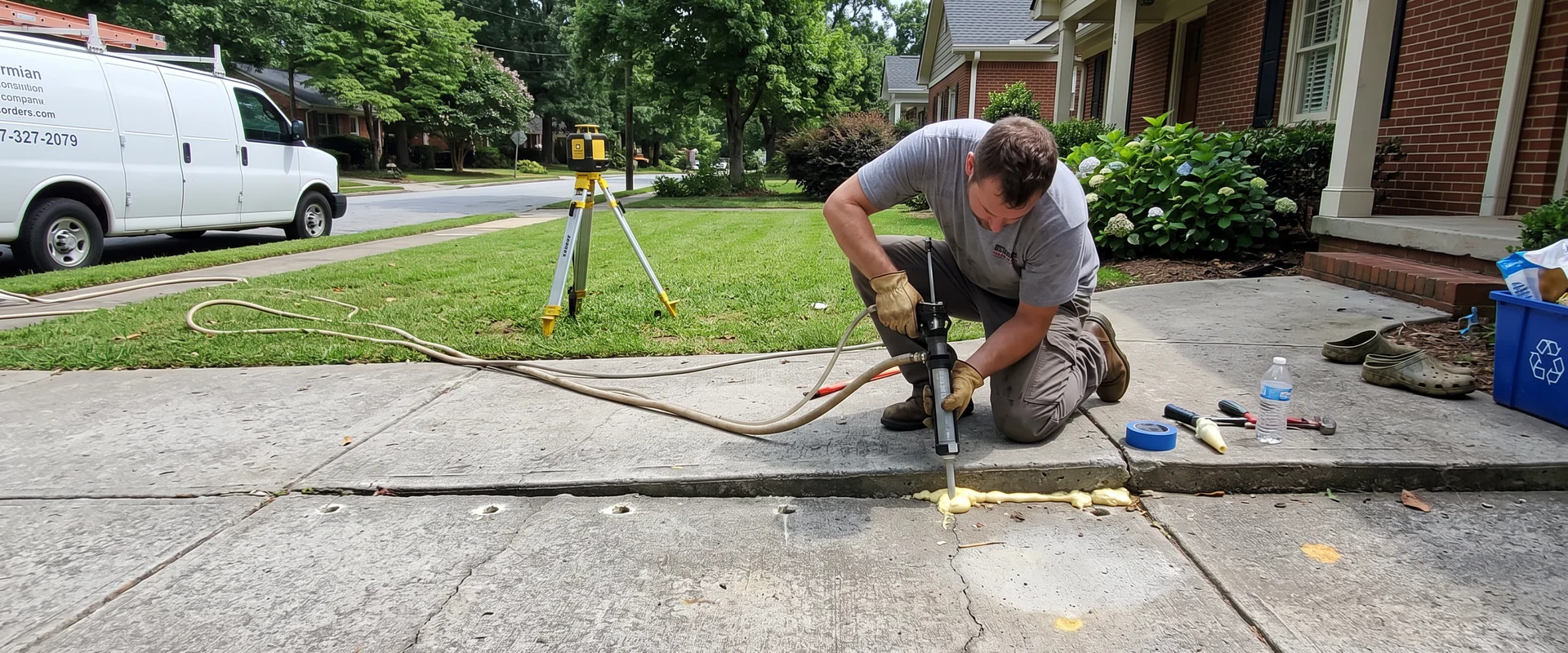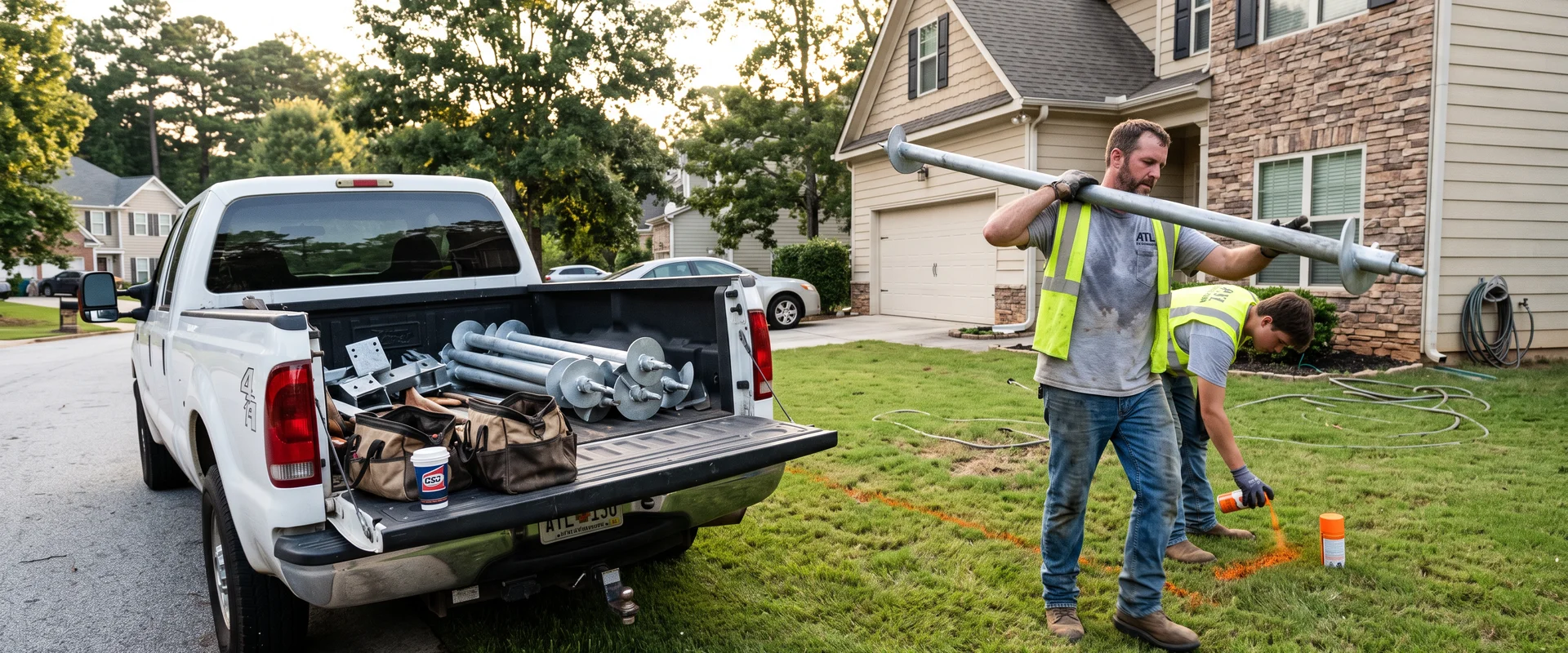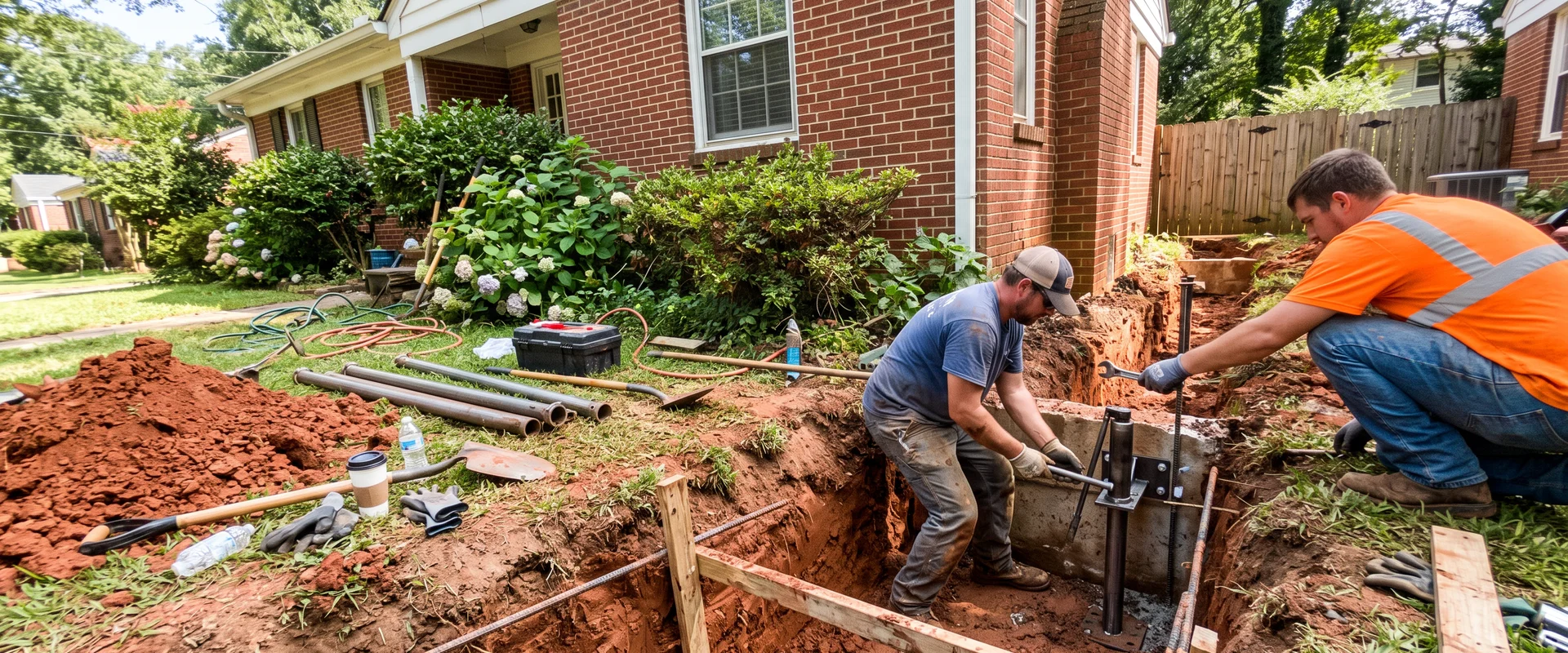
What Is Foundation Repair?
Have you noticed new stair-step cracks in your brick, or maybe a door that suddenly refuses to shut? Many homeowners in Greater Atlanta deal with these exact headaches every spring. We will walk you through the exact steps of foundation repair to fix these issues, and the process is simpler than you might think.
The secret is addressing the problem before it gets worse.
Foundation repair is the work of stopping a house from moving, then holding it securely in place. We almost always trace the root cause back to the soil around your property. Atlanta receives about 50 inches of rain in a typical year, which turns the local dirt into a sponge.
The Science of Differential Settlement
“Expansive Piedmont red clay actually swells by 10 to 15 percent in volume when it takes on water. This massive expansion pushes up on footings, and then the clay shrinks dramatically when it dries out.”
Because moisture is never even around a house, one corner usually drops further than another, creating the differential settlement that causes sloping floors. Our repairs address the actual load path by driving helical piers and steel push piers past the active clay layer to load-bearing strata. A certified field inspector performs our free inspections rather than a commissioned salesperson.
We diagnose your home using specific tools to guarantee stabilization as the outcome:
- Laser floor elevations to map the exact degree of settlement.
- Wall deflection measurements to track bowing.
- Moisture readings around the footings to find hidden water sources.
Common Problems We Solve
Stair-step cracks in brick and block
Diagonal cracks that follow mortar joints in a stair-step pattern are the classic Atlanta settlement signature. They usually appear at corners and above openings where the wall is weakest. We frequently see these signs completely dismissed by homeowners as normal house settling.
Sealing them without addressing the movement underneath simply pushes the crack to reopen next season. A recent 2026 real estate analysis shows that unresolved foundation damage can reduce a home’s value by 10 to 15 percent. That equals a $30,000 to $45,000 loss on a standard $300,000 property.
Our teams help you protect that home equity by fixing the root cause permanently.
Bowing and leaning basement walls
Saturated clay presses laterally against a basement wall with incredible force. Block walls fail first, usually with a horizontal crack near mid-height and an inward deflection you can measure with a string line. We use specialized materials to combat this immense soil pressure.
Carbon fiber straps bonded to the wall face handle moderate deflection brilliantly. These straps actually possess a higher tensile strength than steel, making them incredibly tough without taking up basement space.
Wall anchors installed into stable soil beyond the failure zone handle more severe cases. Our installations pull the wall outward to restore structural integrity.
Sagging, bouncy floors
When girders sag or joists weaken, floors dip toward the center of the house and feel springy underfoot. Adjustable steel jack posts on proper footings bring the floor system back to a supported, level plane. We also sister new joists alongside the old ones where the original wood has rotted.
The proprietary IntelliJack steel support posts we install are rated to support up to 24,860 pounds per jack. This immense load capacity ensures your floors never bounce again.
Our priority is making your living space safe and completely stable.
Sticking doors and windows
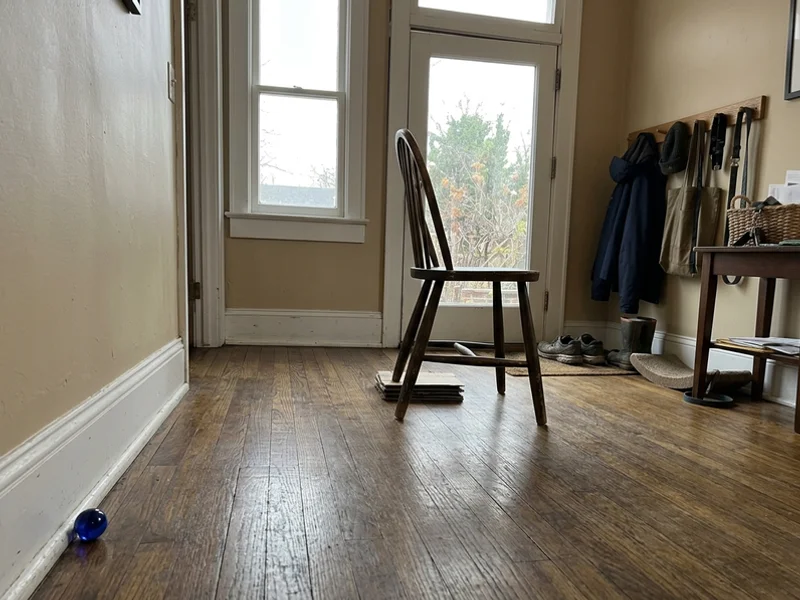
Openings are square when a house is built. When a footing drops, the frame racks out of square and hardware starts binding. We hear from clients all the time who thought this was just a humidity issue.
It is actually one of the earliest warning signs homeowners notice. A great insider tip is to place a standard carpenter’s level on the top of the door frame.
Our experts know that if the bubble is off-center, the foundation below that door has likely settled.
Why Foundation Repair Is Different Here
Contractors in stable soil regions can lean on generic rules of thumb. Georgia does not allow that kind of guesswork. We adjust our approach because the depth to competent strata varies block by block.
Shallow bedrock around Stone Mountain changes the picture entirely. The granite bedrock in the Piedmont region can be just 5 feet below the surface in one yard, and 50 feet deep a few streets over. Mature trees also pull enormous volumes of moisture out of the clay during a dry August, which forces us to adapt the pier design drastically.
| Repair Method | Best For | Key Benefit |
|---|---|---|
| Helical Piers | Deep, unstable soils | Driven to specific torque for guaranteed support |
| Carbon Fiber | Bowing walls | Higher tensile strength than steel, low profile |
| IntelliJack Posts | Sagging floors | Supports up to 24,860 lbs per post |
Local Expertise and Lasting Warranties
Basement Waterproofing Atlanta relies on 31 years of local experience to adapt to these unique conditions. We install ICC-ES certified systems and rigorously record the installation torque and depth at each pier. The design is carefully documented rather than just assumed, and your inspector will also flag common moisture issues:
- Gutter overflow pouring near the footing.
- Poor grading directing water toward the walls.
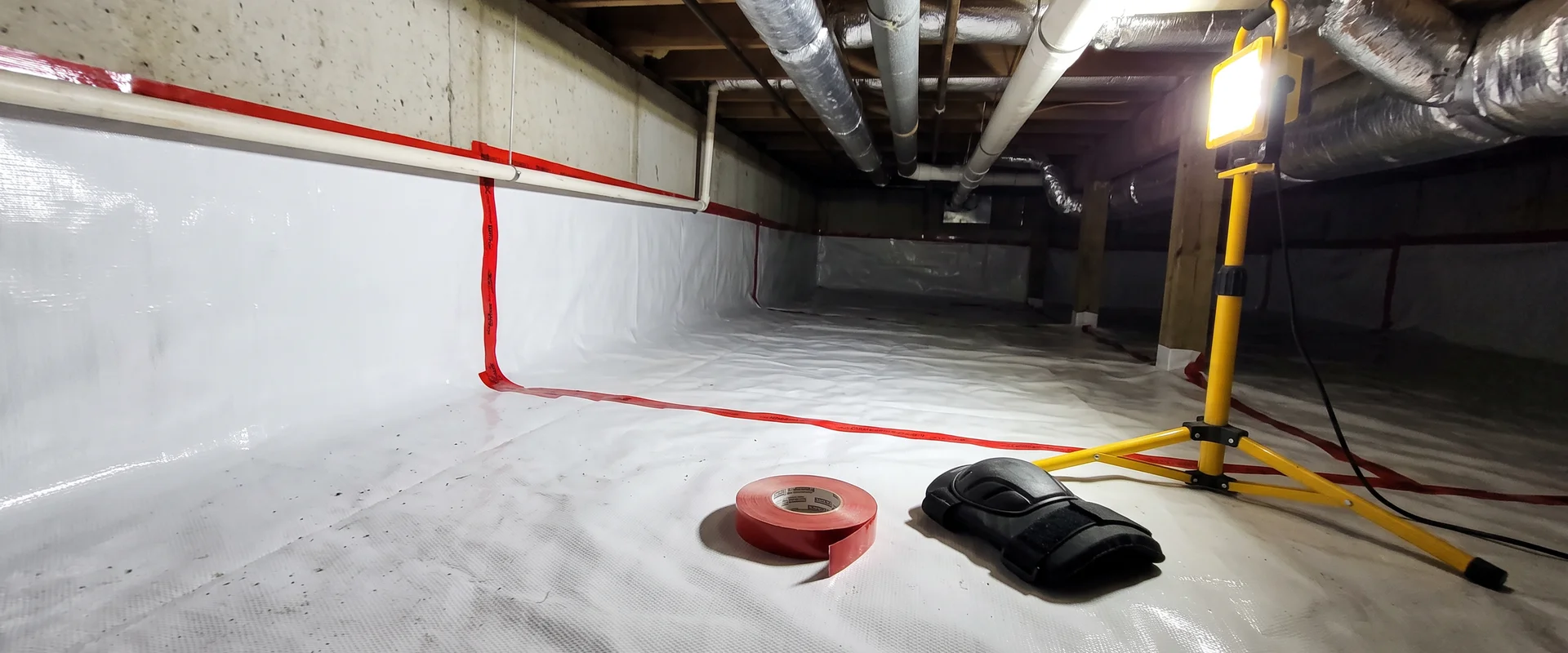
- High crawl space humidity weakening floor joists.
Every structural repair carries a Groundworks-backed, fully transferable life-of-structure warranty. If you sell your house, that documentation goes straight to the buyer, and a repaired foundation becomes a huge selling point.
Do not let the need for foundation repair ruin your peace of mind.
We are ready to help you restore your property, so call us today to schedule your free, no-obligation inspection.